
Kurt Davis, Jr.
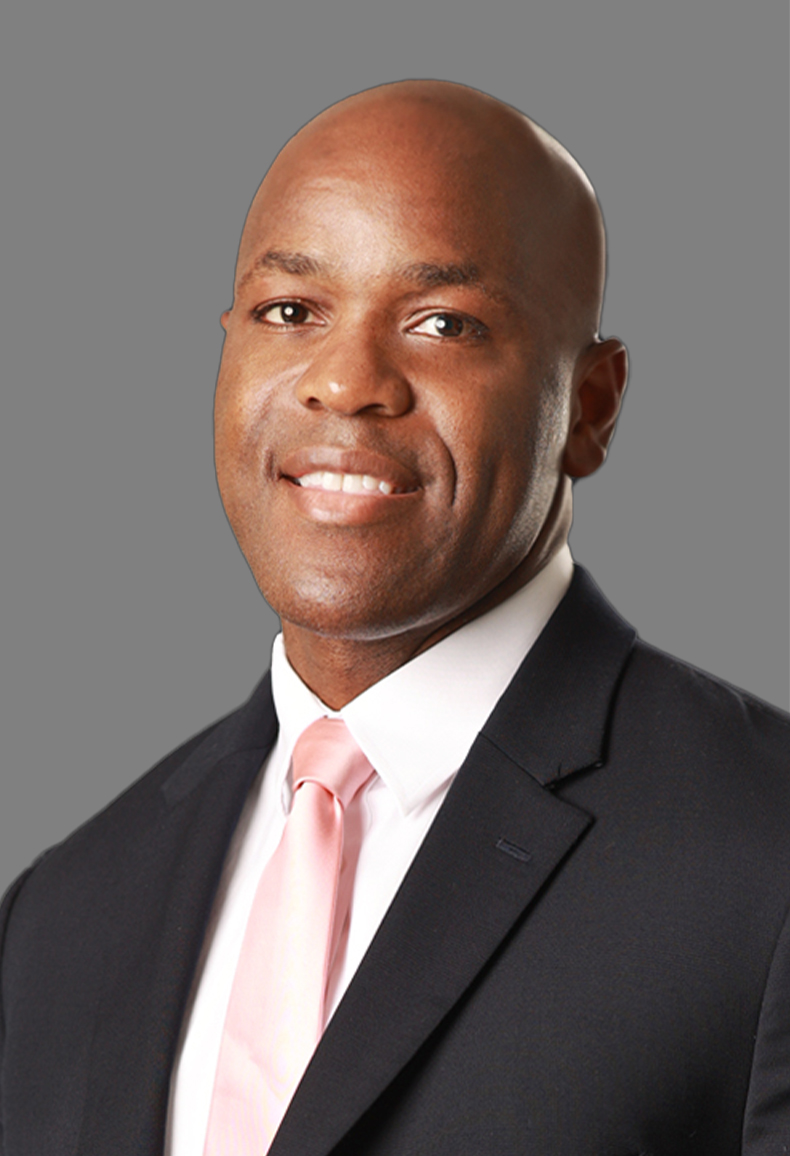
With more than 15 years of global experience, Kurt has advised clients across a broad range of industries, including financial services, aviation, energy (conventional and renewable), real estate, telecommunications, consumer, manufacturing, and retail.
Kurt’s representative mandates include work for the Private Department of Sheikh Mohammed Bin Khalid Al Nahyan, Garuda Indonesia, Oman Air, Emirates REIT, Türk Telekom, Oger Telecom, Blue Label Telecoms/Cell C, OQ (formerly Oman Oil), Dana Gas, Five Hotels, Cenomi Centers, Cenomi Retail, Fawaz Al Hokair Group, FAS Energy, Noble Energy, Nghi Son Refinery and Petrochemical, Public Investment Corporation (PIC), Edcon, Marina 101, Seafox, Takween Advanced Industries, the Abraaj Group, Range Resources, Targa Resources, Mammoth Energy, Newfield Exploration, and the Association of Banks in Lebanon.
Before joining A&M, Kurt spent more than five years at Houlihan Lokey, where he originated and led complex financings, restructurings, and M&A transactions across EMEA. Earlier, he worked at Barclays Capital, advising on M&A and capital markets transactions in the power and oil and gas sectors. He brings significant private equity experience, having worked at Crescimento Inteligente, Cerberus Frontier (formerly SGI Frontier), and SPE Capital (formerly part of Swicorp) where he executed consumer goods, real estate, telecom, and energy investments across Middle East and Africa. He began his career at Bear Stearns & Co. and Skadden, Arps, Slate, Meagher & Flom LLP.
Kurt earned a bachelor’s degree in political and social thought (Distinguished Major) and a bachelor’s degree in foreign affairs, both from the University of Virginia; a JD (focus on tax and commercial law) from the University of Virginia School of Law; and an MBA (focus on finance, operations, and entrepreneurship) from the University of Chicago Booth School of Business. He is a non-resident fellow at the Atlantic Council, and his views on global capital markets are frequently cited in the Financial Times, The Hill, and the Asia Times.
