
Aaron Bujnowski
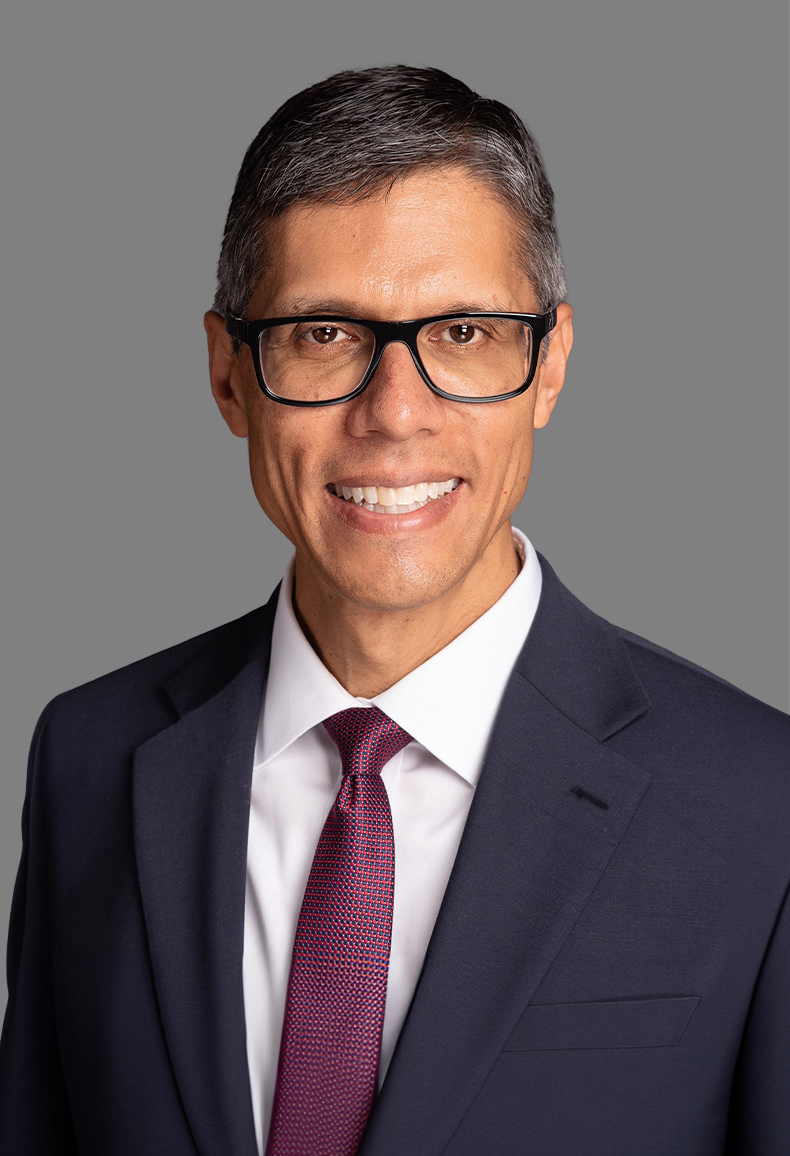
With nearly two decades of dedicated experience in the healthcare industry, Dr. Bujnowski has built a reputation as a transformative healthcare strategist, empowering health systems and their leaders to attain a sustainable competitive advantage. He excels in crafting and executing innovative strategies and possesses deep expertise in enterprise strategy, value-based care, service lines, partnerships, corporate development, and M&A.
Prior to joining A&M, Dr. Bujnowski spent over four years as a Director and Integrated Delivery Network lead at Chartis, a preeminent US healthcare consulting firm. In this capacity, he collaborated closely with integrated delivery networks to conceive and implement their most critical strategies. He also played a pivotal role in launching Chartis’ Private Equity (PE) practice, assisting PE firms to make informed buy- or sell-side decisions and optimize value within their portfolio companies.
Dr. Bujnowski notably served as the System Chief Strategy Officer for Texas Health Resources, a $5 billion integrated health system in the Dallas–Fort Worth area, where he dedicated nearly nine years to developing and executing enterprise-wide strategies. His purview included acute, post-acute, ambulatory, physician, consumer, and value-based approaches. His healthcare career journey began with Boston Consulting Group (BCG), where he was a core member of BCG’s Strategy and Healthcare practices. He additionally played a pivotal role in founding BCG’s PE practice, working closely with some of the country’s largest PE firms while on Wall Street.
Dr. Bujnowski earned a bachelor’s degree and a master’s degree in chemical engineering (with a biomedical emphasis) from Brigham Young University (BYU), where he graduated with honors. He also earned an MBA with the highest honors from The University of Texas at Austin and a DSc in healthcare leadership from the University of Alabama at Birmingham, the top-ranked US health administration program. In recognition of his exemplary contributions to the healthcare industry, Dr. Bujnowski was honored as a fellow of the American College of Healthcare Executives in 2015. He is a past president of its North Texas Chapter, where he led a diverse community of over 1,800 healthcare executives and managers.
